Quick Facts
- Category: Environment & Energy
- Published: 2026-05-01 03:22:41
- Navigating 2026: Key Crypto Market Trends and Institutional Moves
- 10 Key Updates in Python 3.14.3 You Need to Know
- How to Recognize Fedora Heroes: A Complete Nomination Guide for 2026
- Beyond Patch Counts: Choosing the Right Exposure Management Platform
- Everything About PyTorch Lightning Compromised in PyPI Supply Chain Attack to...
Beijing Auto Show: A Glimpse into the Future of the Automotive Industry
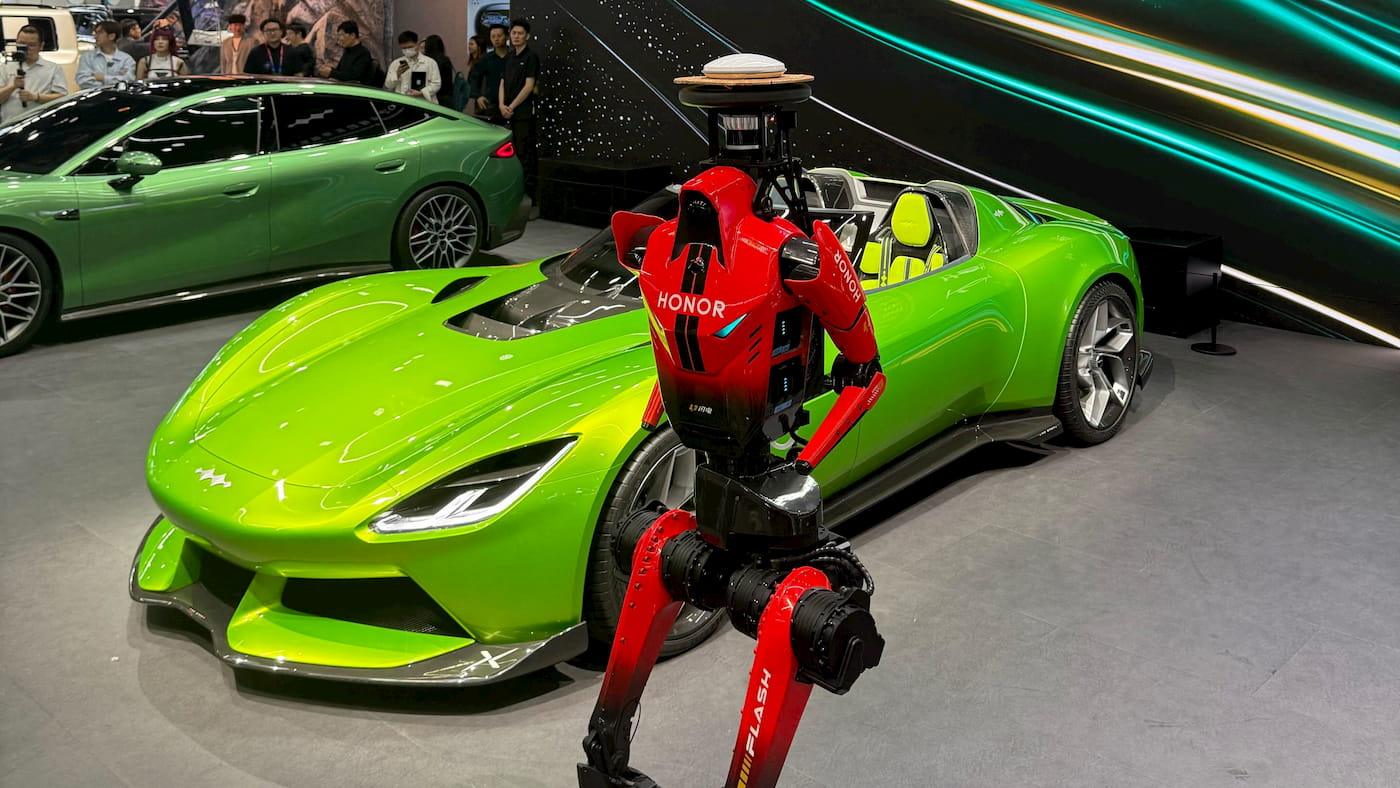
Returning from the bustling halls of the Beijing Auto Show, industry analyst Fred brings a fresh perspective on where the car business is headed. The event showcased a relentless push toward electrification and smart technology, with Chinese manufacturers setting new benchmarks. From advanced driver-assistance systems to integrated AI, the show highlighted a shift from traditional vehicles to mobile living spaces. Fred noted that the competition is fiercer than ever, and China is emerging as a global leader in automotive innovation.
Xiaomi's Second-Generation SU7: A Test Drive Review
One of the most anticipated debuts at the show was the second-generation Xiaomi SU7. Fred had the opportunity to take this electric sedan for a test drive, and the experience did little to dispel the notion that China has raised the bar for EV performance and design. The new SU7 builds on the original model with improved range, faster acceleration, and an even more intuitive cockpit interface. Its sleek exterior and premium interior materials rival established luxury brands. The test drive revealed precise handling and a quiet cabin, making it a strong contender in the premium EV segment. Xiaomi's integration of its ecosystem—smart home connectivity, voice assistants, and over-the-air updates—further blurs the line between car and gadget.
BYD's Latest News and Market Moves
BYD, the dominant player in China's EV market, also made headlines at the auto show. The company announced expanded production capacity for its Blade Battery technology, which enhances safety and energy density. Additionally, BYD revealed plans to launch a new sub‑brand targeting the ultra‑luxury segment, directly competing with Tesla and European luxury marques. Rumors of a partnership with a major tech firm for autonomous driving software also circulated, signaling a strategic push into AI‑driven transportation. Meanwhile, BYD's overseas expansion continues, with new showrooms opening in Europe and Southeast Asia. These moves underscore BYD's ambition to solidify its position as a global leader in sustainable mobility.

A Fresh Home Battery Pilot Marks New Energy Frontiers
Beyond automotive news, a fresh home battery pilot program was unveiled, aiming to integrate EV batteries with residential energy storage. The pilot, spearheaded by a consortium including Xiaomi and a state‑owned utility, will test bidirectional charging systems that allow EV owners to supply power back to their homes or the grid during peak demand. This initiative aligns with China's broader goal of building a distributed energy network. Early trials in several cities will monitor battery degradation, user savings, and grid stability. If successful, the program could accelerate the adoption of vehicle‑to‑grid (V2G) technology, turning EV batteries into mobile power banks. For consumers, this means potential lower electricity bills and backup power during outages. The pilot represents a crucial step toward a more resilient and decentralized energy infrastructure.
Conclusion
The Beijing Auto Show reaffirmed that China is not just keeping pace with the global EV revolution—it is setting the pace. From Xiaomi's impressive SU7 to BYD's aggressive expansion and the new home battery pilot, the country's ecosystem of innovation continues to evolve rapidly. As Fred concluded, the bar has been raised higher than ever, and the rest of the world will need to respond accordingly. The convergence of automotive and energy sectors promises a future where clean transportation and smart home energy go hand in hand.