Every May, Apple quietly drops a set of accessibility previews that hint at the future of its software. This year's batch, announced just ahead of Global Accessibility Awareness Day, includes a standout feature: a natural language overhaul for Voice Control on iPhone and iPad. While the update itself is impressive, it's also a clear signal that a major Siri revamp is on the horizon. Here are 10 key insights from this announcement that reveal what's coming next.
1. Voice Control Gets an Apple Intelligence Boost
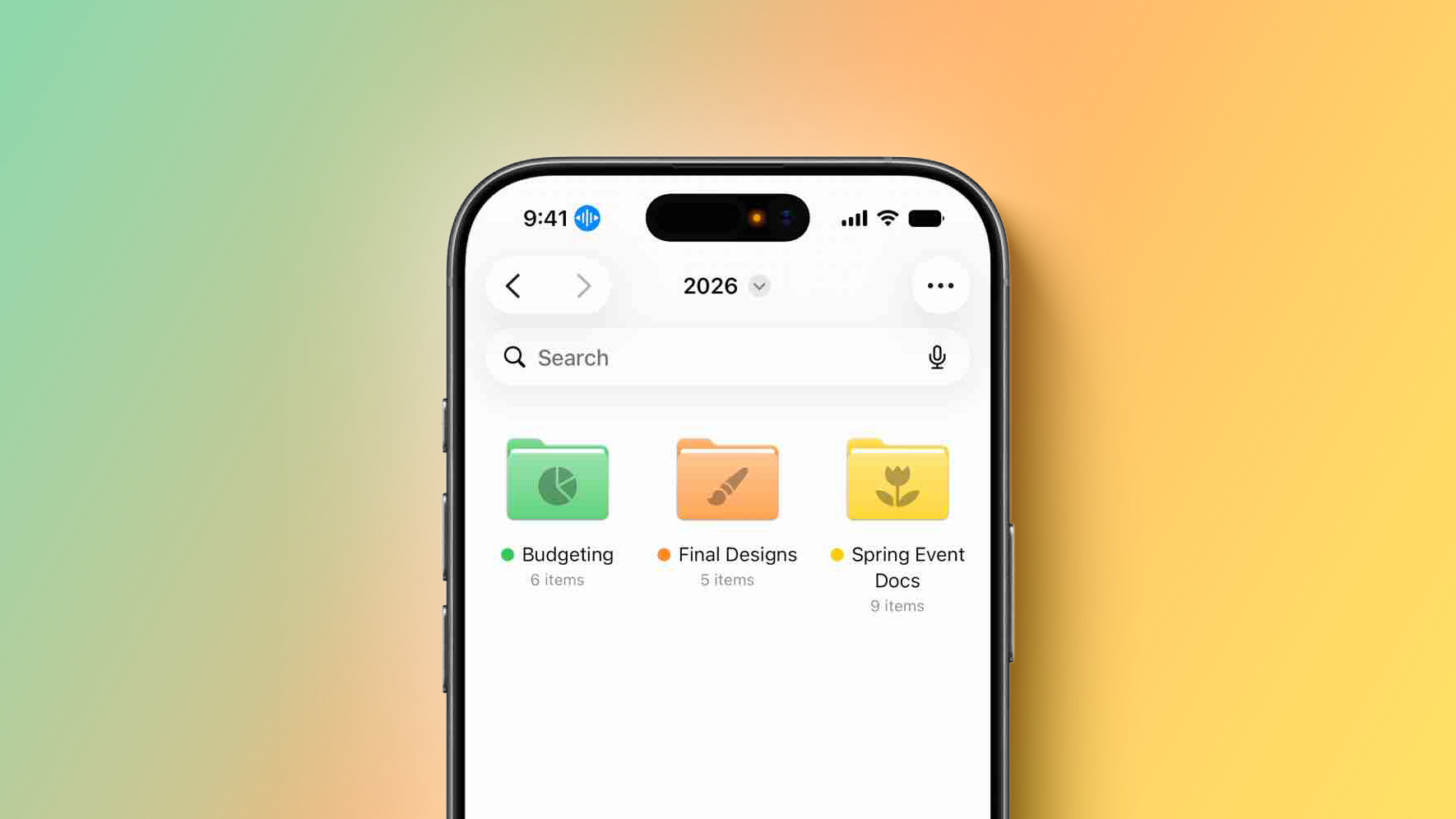
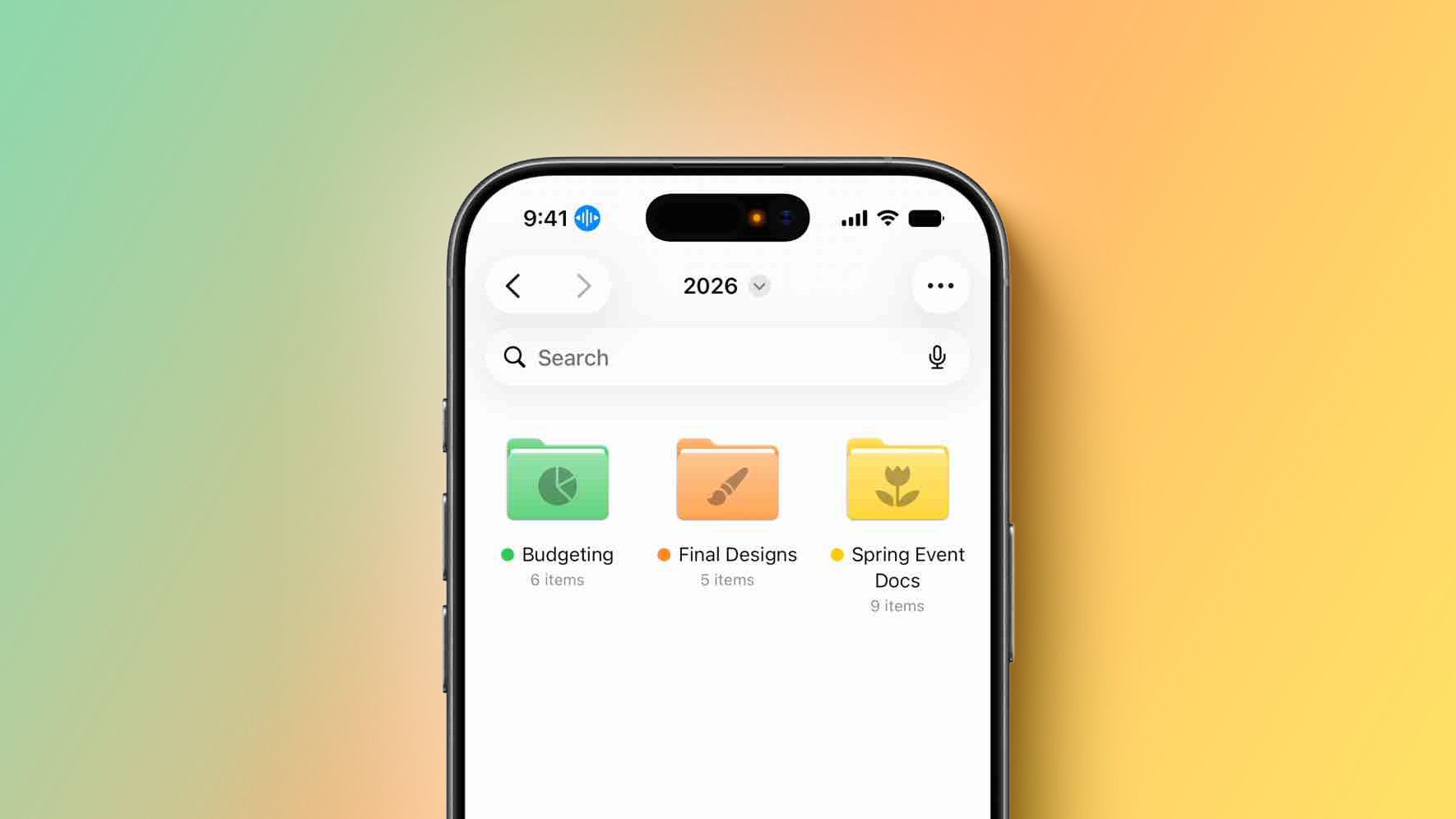
Apple is infusing Voice Control with its Apple Intelligence technology, making the feature “more intuitive than ever.” Instead of memorizing exact labels like “Tap button number four,” users can now describe what they see. For example, you might say, “Open the blue folder with finance documents” or “Tap the link for today's schedule.” This shift from rigid commands to natural language is a huge leap forward in accessibility, and it's built on the same AI engine that will power Siri's upcoming upgrade.
2. Say Goodbye to Remembering Exact Names and Numbers
Previously, Voice Control required users to know the precise name or number of an on-screen element. That's now history. The new system understands descriptive phrases. In Apple Maps, you could say “Tap the guide about best restaurants,” and in the Files app, “Tap the purple folder.” This makes the feature far more practical for everyday tasks, especially for users with motor impairments who need hands-free operation.
3. The Underlying AI Is Agentic in Nature
This Voice Control update is more than an accessibility tweak—it's a glimpse into agentic AI. Industry observers, like Dylan on X, noted that if a person can control their iPhone with natural language, an AI agent can too. The technology essentially gives the device the ability to understand context and take actions on your behalf. That's exactly the kind of “on-screen awareness” that Siri has been promised for years.
4. A Direct Link to the Delayed Siri Upgrade
Apple first announced a more personalized Siri at WWDC 2024, with capabilities like on-screen awareness and deeper per-app controls. Those features were delayed in March 2025, but this Voice Control upgrade shows the core AI is actively being developed and tested. The natural language parsing in Voice Control is essentially the same technology that will allow Siri to understand what's on your screen and act on it.
5. Siri Will Finally Understand Your Personal Context
The revamped Siri isn't just about following commands—it's about knowing you. Apple's original demo showed Siri pulling information from your Mail and Messages to tell you about your mother's flight and lunch reservation. With on-screen awareness, Siri will be able to see what you're looking at and respond intelligently. Imagine asking, “What's the price of that jacket?” while browsing a shopping app, and Siri instantly responds.
6. Deeper Per-App Controls Are on the Way
Beyond just reading screens, Siri will be able to take actions inside apps. Reports indicate that Siri will eventually comment on an Instagram post, scroll through a shopping app, or add an item to your cart. This is made possible by the same natural language engine now used in Voice Control. Once Siri gains these per-app controls, it will function as a true AI assistant that can complete multi-step tasks for you.
7. The Timeline: Expect It This Fall
The enhanced Siri is expected to be a tentpole feature of iOS 27, iPadOS 27, and macOS 27. These operating systems will be unveiled on June 8 and released to the public in September. However, some capabilities may roll out later in the year. The delay from 2025 to 2026 suggests Apple is fine-tuning the experience to ensure it works reliably across a wide range of scenarios.
8. You'll Need Recent Hardware to Run It
Not all devices will get the new Siri. Apple has set a hardware bar: you'll need an iPhone 15 Pro or newer, a Mac with an M1 chip or newer, or an iPad with an A17 Pro or M1 chip or newer. The advanced AI processing requires the Neural Engine and on-device machine learning capabilities found only in these modern chips. If you're planning to upgrade, keep this in mind.
9. Accessibility Features Often Preview Future OS Capabilities
Apple has a history of introducing technologies through accessibility before rolling them out broadly. Voice Control's natural language support is a perfect example. By launching it as an accessibility feature, Apple can refine the user experience, gather feedback, and iron out bugs before unleashing it as a core Siri function. This approach also ensures that accessibility users benefit from cutting-edge AI early on.
10. The Big Picture: A Truly Personal AI Assistant
All these pieces point to a single destination: an AI assistant that understands you, your screen, and your apps. The Voice Control upgrade is just the first public manifestation of a technology that will redefine how we interact with our devices. When Siri finally gets its on-screen awareness and personal context later this year, it will mark the beginning of a new era in mobile computing—one where your phone actively helps you, not just responds to rigid commands.
In summary, Apple's natural language update to Voice Control is far more than an accessibility improvement. It's a preview of the smarter, more agentic Siri that's been in development for years. Whether you're an accessibility user or just looking forward to a better assistant, the future is looking a lot more conversational. Keep an eye on June 8 for the full unveiling at WWDC.