Fortnite, the massively popular battle royale, has had its share of crossovers and musical moments. One of the most notable was the inclusion of tracks by artist D4vd (David Burke), whose song became an unofficial anthem. But when Burke was charged with murder, the in-game celebration turned sour. Here are 8 pivotal moments that explain how Epic Games handled the fallout, from fan demands to a controversial new setting that hides the emotes.
1. The D4vd Anthem Takes Over Fortnite
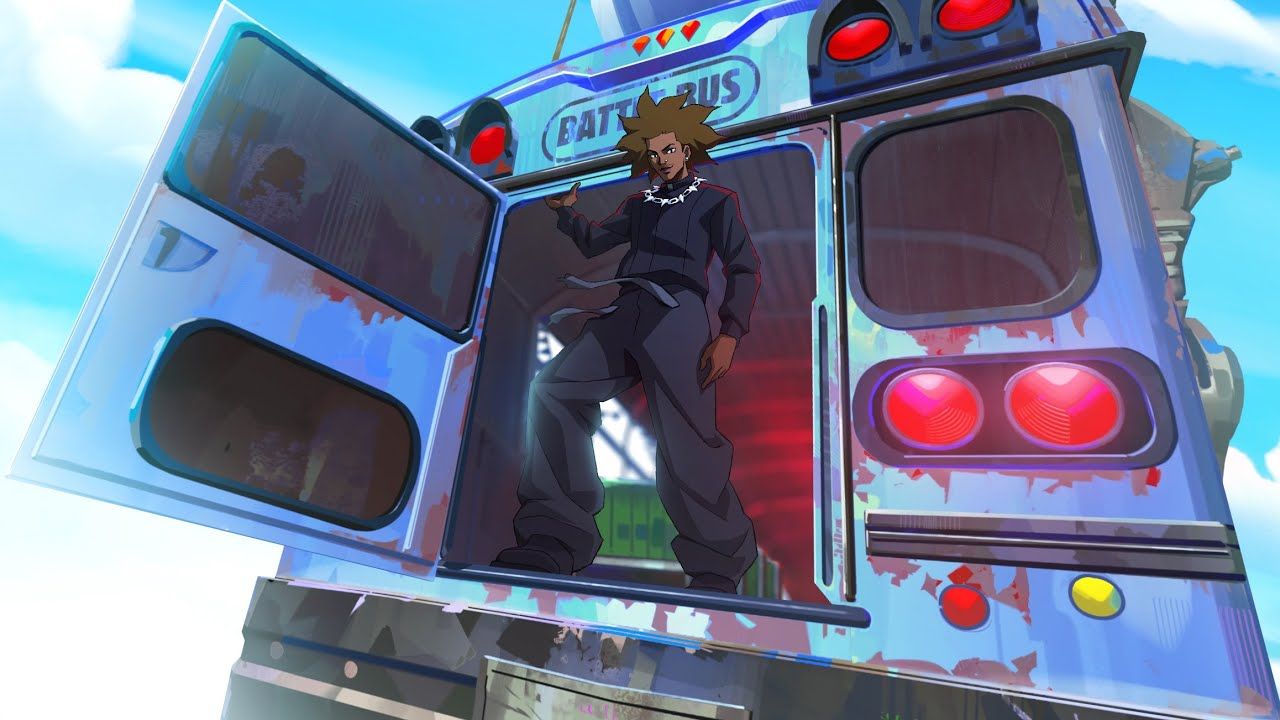
D4vd, known legally as David Burke, released a song that quickly became a staple in the Fortnite community. The track climbed the charts and was even used in official promotional material. Epic Games capitalized on its popularity by releasing a bundle of cosmetics, emotes, and a lobby track featuring D4vd's music. Players embraced the content, using the emote to celebrate victories and express fandom. It seemed like a perfect synergy between a rising artist and a gaming giant.
2. The Shock of a Murder Charge
In early 2025, news broke that D4vd was charged with murder. According to reports, the charge was linked to a shooting incident connected to a criminal investigation. The Fortnite community was stunned. The artist who once brought joy to millions was now facing serious legal trouble. Social media exploded with disbelief, sorrow, and anger, as players questioned how Epic Games would respond to having an alleged killer's content in the game.
3. Fans Demand Action Against D4vd Content
Almost immediately, players took to Reddit, Twitter, and the Epic Games community forums to demand that D4vd's content be removed entirely. Many argued that it was inappropriate to have dances and music from someone accused of murder. Others pointed out that Epic had a history of removing content linked to controversial figures. The pressure intensified, with hashtags trending and influencers amplifying the call for change. Fans wanted a clear signal that Epic would not tolerate such associations.
4. Epic's Initial Refund Offer
Epic Games responded by offering refunds to players who had purchased D4vd-related items. The company stated that those who bought the bundle would receive V-Bucks back. However, this was not a removal of content — it was a way to let players opt out. Some appreciated the option, while others found it insufficient because the content remained visible to everyone in-game. The refund process was straightforward but did not satisfy those who wanted the content gone for all.
5. The Game-Changing Update
A few days later, a Fortnite update introduced a significant change. Instead of removing D4vd items, Epic added a setting that hides certain emotes from being seen by others. Specifically, D4vd emotes were placed under a filter that requires players to enable a setting called "Show Uncensored Emotes" to view them. This effectively hid the controversial animations and songs from the default experience. The update went live silently, with no major announcement.
6. How the "Hide Cringe" Setting Works
Players quickly discovered that D4vd emotes were moved to a restricted category. By default, the setting "Hide Potentially Offensive Emotes" (later nicknamed the "Hide Cringe" setting by fans) is enabled. This means that unless a player manually disables it, they won't see D4vd emotes performed by others. The emote sound is also muted. However, players who own the emote can still use it themselves, and it appears normally on their end. This created a split experience in matches, causing confusion and frustration.
7. Mixed Reactions from the Gaming Community
The update sparked heated debate. Some praised Epic for a nuanced solution that respected both those who wanted to avoid D4vd and those who still wanted to use the content. Others criticized it as a half-measure, arguing that Epic should have deleted the items entirely. Memes spread about the "hide cringe" feature, with some players celebrating while others felt Epic was dodging responsibility. Content creators weighed in, and the controversy remained a hot topic for days.
8. Broader Implications for In-Game Content Policies
This incident raised questions about how gaming companies should handle controversial figures. Epic's approach — not banning but hiding — could become a template for other studios. It also highlighted the tension between free expression and corporate responsibility. Players now wonder if other emotes might be hidden in the future. The D4vd case may set a precedent for how in-game content is moderated when real-world events collide with virtual fun. Only time will tell if Epic's compromise satisfies everyone.
In conclusion, the D4vd controversy in Fortnite is a case study in modern game management. From a beloved anthem to a murder charge, the journey has been jarring. Epic's response — refunds followed by a hidden setting — reflects the complexity of balancing player desires, legal risks, and brand image. Whether you agree with the decision or not, it's clear that the intersection of pop culture and gaming is more delicate than ever. Stay tuned for how this story evolves.